
Survive Lava for Brainrots
Survive Lava for Brainrots turns a simple floor-is-lava setup into a loop of climbing, snagging Brainrots, and deciding when to cash out for upgrades. Short solo runs reward route memory, while later climbs push you to risk one more pickup before the magma closes the gap.
- Free to play
- Play in browser
- No download needed
- Mobile & desktop & Tablet
- No sign-up
- Fullscreen

Floating Launch
Survive Lava for Brainrots
This source blocks iframe embedding, so the game opens in a centered floating window instead. Use the launch button below to keep the experience anchored to this page.
Hot Games

Steal a Brainrot

Survive Lava for Brainrots

Lucky Brainrot Blocks Online

Plants vs Brainrots
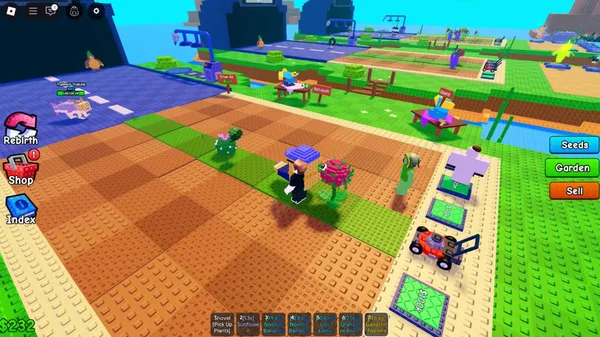
Plants vs Brainrots Wiki

Garden Horizons

Find the Brainrot

Car Chaos

Orbit Kick

Italian Brainrot Baby Clicker

Brainrot Mega Parkour

Dress to Impress

Snow Rider
Lucky Brainrot Blocks Online

Run for Brainrots

Speed Escape for Brainrots

Swing Obby for Brainrots

Cut Grass for Brainrots

Goo Goo Gaga Clicker
What Is Survive Lava for Brainrots?
Survive Lava for Brainrots is a vertical survival sim that mixes obby movement, collectible Brainrots, and upgrade planning into fast reset-heavy rounds. It works best for players who like pressure without a long setup phase, because every climb starts quickly and asks you to choose between a safe route and a richer detour. The Brainrots you grab are not just trophies; they feed a base economy that changes how much speed, jump height, and storage you can bring into the next attempt. The game is built around solo runs rather than direct split-screen competition, so progress comes from learning the map, judging risk, and improving your route one floor at a time.
How to Play Survive Lava for Brainrots
1) Start each round by identifying the first two vertical transitions instead of sprinting blindly upward. The opening seconds are slow enough to spot ladders, moving pads, and safer ledges, which matters more than grabbing the nearest Brainrot immediately.
2) Keep your early route conservative until you know how fast the lava is rising on that map cycle. A low-value pickup beside the path is usually fine, but side rooms and awkward jump chains only make sense if you already see a quick line back to the main climb.
3) Spend your first earnings on movement before storage or cosmetic unlocks. More speed reduces recovery time after every landing, and jump upgrades let you salvage bad angles that would otherwise turn one mistake into a full reset.
4) Use Brainrot pickups as tempo checks. If taking one forces you to stop, realign, and wait for a platform, the detour probably costs more than it pays until your upgrades improve. Good runs come from chaining clean movement, not from collecting every item you see.
5) Once the lava reaches mid-map, commit to one lane and stop second-guessing. The most common late failure is backtracking for a missed pickup or a prettier platform. A direct climb with average loot beats a greedy line that burns seconds on indecision.
6) Rebirth when new upgrades stop meaningfully changing your survivability. If a full session only buys tiny stat bumps, reset for the permanent boost and rebuild with a better route plan. The next cycle will let you reach high-value areas sooner and with less panic.
Survive Lava for Brainrots Features
Rising Lava With Escalating Pressure
The lava does not stay at one comfortable speed. Early sections let you read ladders, ramps, and floating pads, but later stretches compress your decision window and punish hesitation. That pacing shift keeps each run readable at the start, then turns the final climb into a panic test of route memory and clean jumps.
Brainrot Pickups That Change Risk
Brainrots are scattered where the safest line is rarely the richest one. Some sit right beside the main route, while others force a sidestep into awkward jumps or narrow ledges. Every pickup is a small economic choice: bank a reliable escape now, or gamble on extra value before the lava closes the gap.
Base Upgrades Between Runs
Money earned from escapes and pickups rolls into a persistent upgrade ladder. Extra speed shortens dead time between platforms, jump upgrades open cleaner recovery lines, and better storage lets you hold onto more value from a strong climb. Because upgrades affect movement directly, progression feels practical instead of decorative.
Rebirth for Long-Term Momentum
When progress slows, rebirth gives the game a second economy layer. Resetting current growth for permanent bonuses makes sense once standard upgrades get expensive, and it turns earlier zones into efficient farming space instead of obsolete content. That system rewards players who know when to stop squeezing one run and restart with stronger foundations.
Route Mastery and Leaderboard Pushes
Strong runs depend on more than raw reflexes. You learn which platforms are stable, where to delay one beat to avoid a miss, and which pickups are only worth taking when your movement upgrades are high enough. That route knowledge is what separates a desperate survival from a repeatable high-value climb that belongs on the leaderboard.