
Speed Escape for Brainrots
Speed Escape for Brainrots turns each climb into a fast judgment test where the wrong detour can cost the whole route. The pressure stays high because the threat below keeps rising, but the upgrade loop gives every strong escape lasting value and makes the next run feel a little more controlled.
- Free to play
- Play in browser
- No download needed
- Mobile & desktop & Tablet
- No sign-up
- Fullscreen
Hot Games
Steal An Egg

Steal a Brainrot

Survive Lava for Brainrots

Plants vs Brainrots
Plants vs Brainrots Wiki

Garden Horizons

Find the Brainrot

Car Chaos

Orbit Kick

Italian Brainrot Baby Clicker

Brainrot Mega Parkour

Dress to Impress

Snow Rider

Run for Brainrots
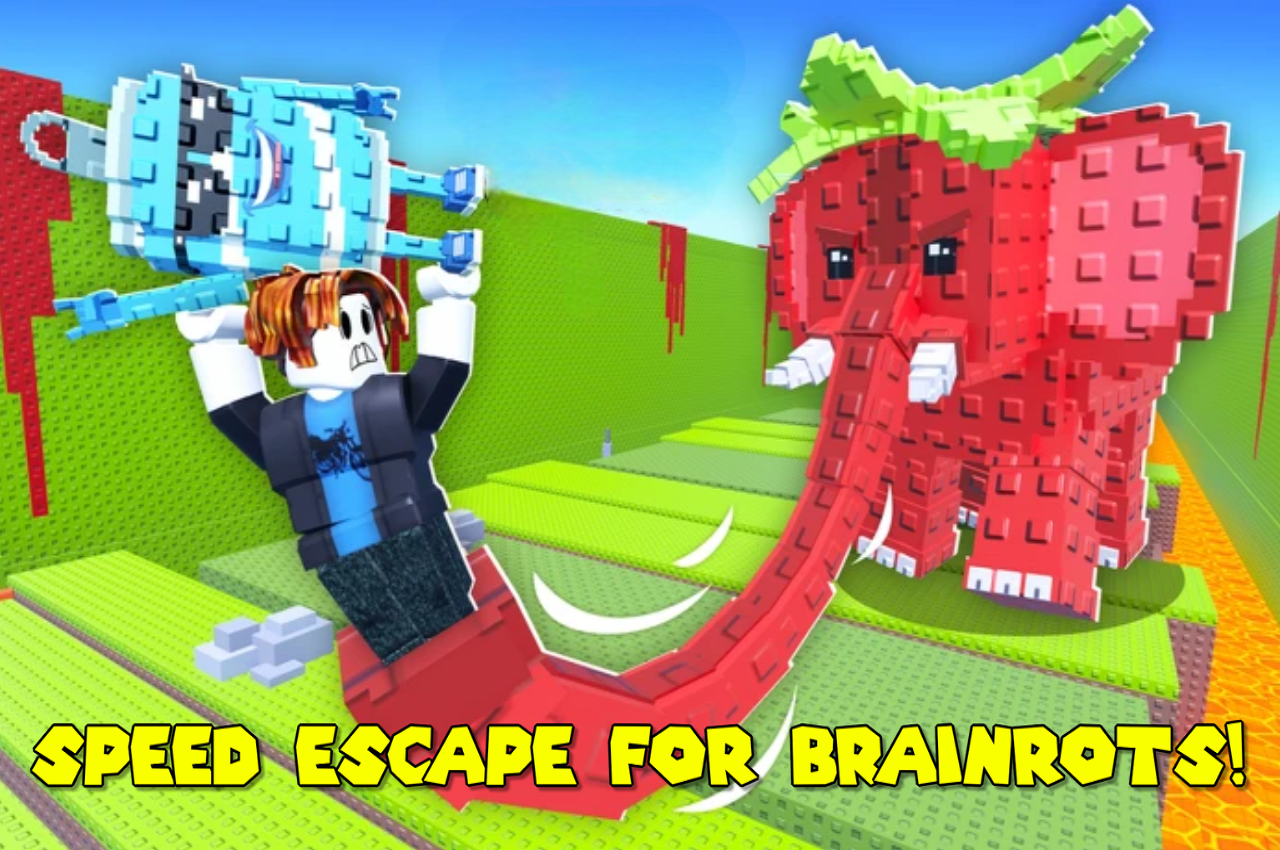
Speed Escape for Brainrots

Swing Obby for Brainrots
Cut Grass for Brainrots

Goo Goo Gaga Clicker

Bite By Night
What Is Speed Escape for Brainrots?
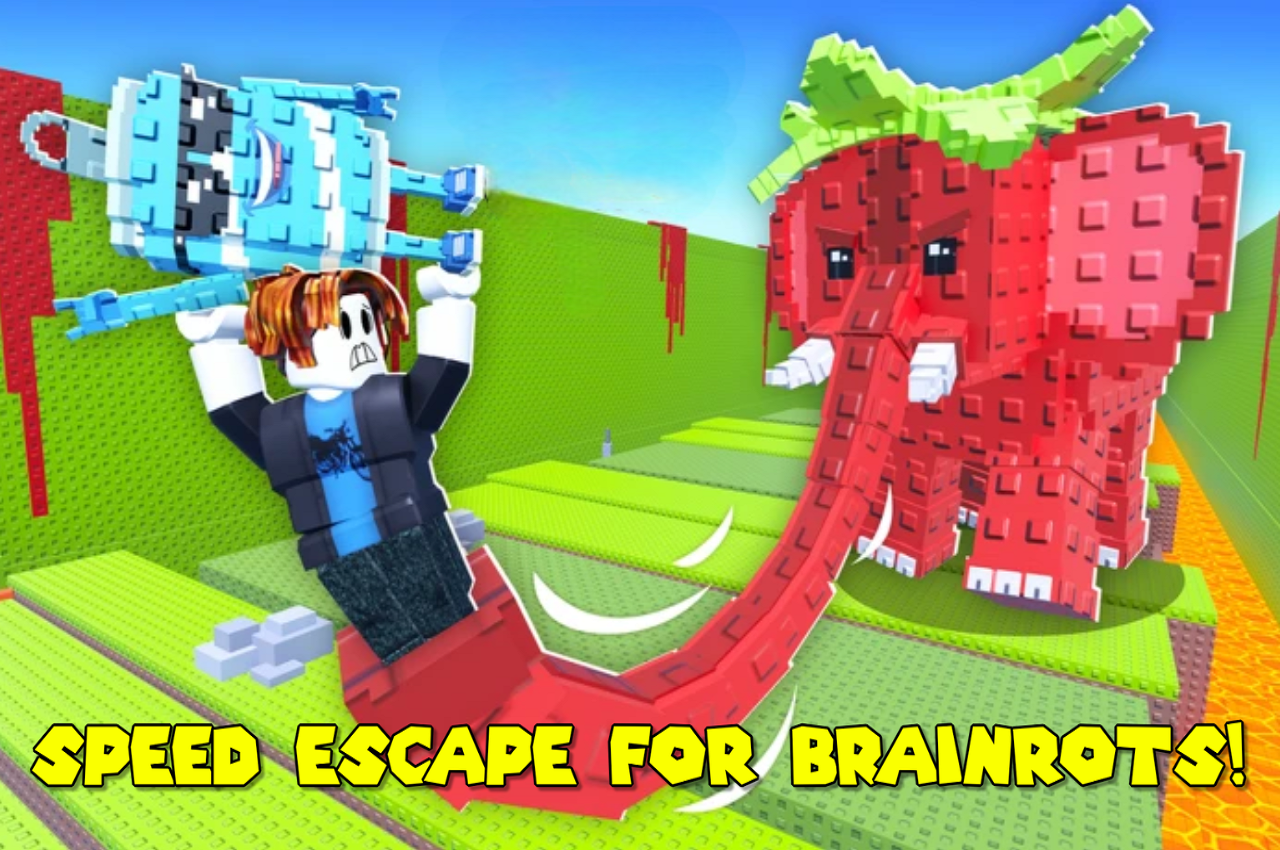
Speed Escape for Brainrots is a vertical pressure platformer where every second matters because the danger below never truly pauses. You climb through shifting ledges, disappearing blocks, and narrow jump windows while deciding whether a Brainrot detour is worth the extra height you might lose. The surface idea is simple: get up fast. In practice, the game lives in the details of route reading. The safest line is rarely the richest one, and the richest line often becomes a trap if your movement is even slightly late. The Brainrot economy adds more than collectible flavor. Each successful escape feeds upgrades that reshape later attempts, especially when speed boosts, jump improvements, or rebirth bonuses start opening routes that felt impossible in earlier runs. That long-term progression gives the game a useful second layer: even failed attempts teach which sections are worth gambling on and which ones only look profitable. Speed Escape for Brainrots works especially well for players who enjoy short, tense runs with visible improvement. You can feel yourself reading the tower better, spotting the stable platform sooner, and abandoning bad detours earlier. That makes every session feel sharper even before the upgrade tree fully kicks in.
How to Play Speed Escape for Brainrots
1) Start each climb by reading two or three platforms ahead instead of reacting one jump at a time. The game gets much easier once you commit to a lane before panic sets in.
2) Ignore awkward Brainrot pickups until your movement feels under control. A collectible that forces one extra adjustment often costs more survival time than it is worth in the early game.
3) Spend early earnings on movement. Better speed or jump consistency has more value than niche progression because it improves every single section of the tower.
4) Treat disappearing or shifting platforms as rhythm checks. Wait one beat if needed, but do not freeze so long that the rising threat catches the whole route from below.
5) When a lane looks messy, choose the cleanest vertical line instead of improvising sideways. A modest climb that stays alive is more useful than a flashy detour that resets the run.
6) Rebirth when normal upgrades start changing your survivability only slightly. Permanent bonuses matter most when basic stat gains no longer make dangerous sections feel meaningfully safer.
Speed Escape for Brainrots Features
Constant Upward Pressure
The game keeps urgency high by forcing you to think ahead of the current jump. You do not have time to admire a clean landing for long, because the rising threat below turns hesitation into failure very quickly.
Platform Variety That Tests Timing
Stable ledges, tighter gaps, vanishing blocks, and awkwardly offset platforms all ask for different takeoff timing. That variety keeps the climb from turning into one repeated jump pattern.
Brainrot Pickups With Real Tradeoffs
Collectibles matter, but not every one should be chased. Some Brainrots sit beside the main line, while others pull you into side angles that cost momentum. Choosing which ones to skip is part of mastering the run.
Gear and Rebirth Progression
Movement upgrades, extra jump options, and later rebirth bonuses make future attempts cleaner rather than merely longer. That progression feels meaningful because it changes how you approach sections, not just how long you survive.
Short Attempts With Strong Repeat Value
Runs are brief enough to invite immediate retries, and each mistake is specific enough to learn from. Missed timing, poor path choice, or greedy collection all produce clear feedback you can correct on the very next climb.